
“All health begins in the digestive tract and creating a healthy colon is a great first step to wellness.” Body Ecology founder Donna Gates
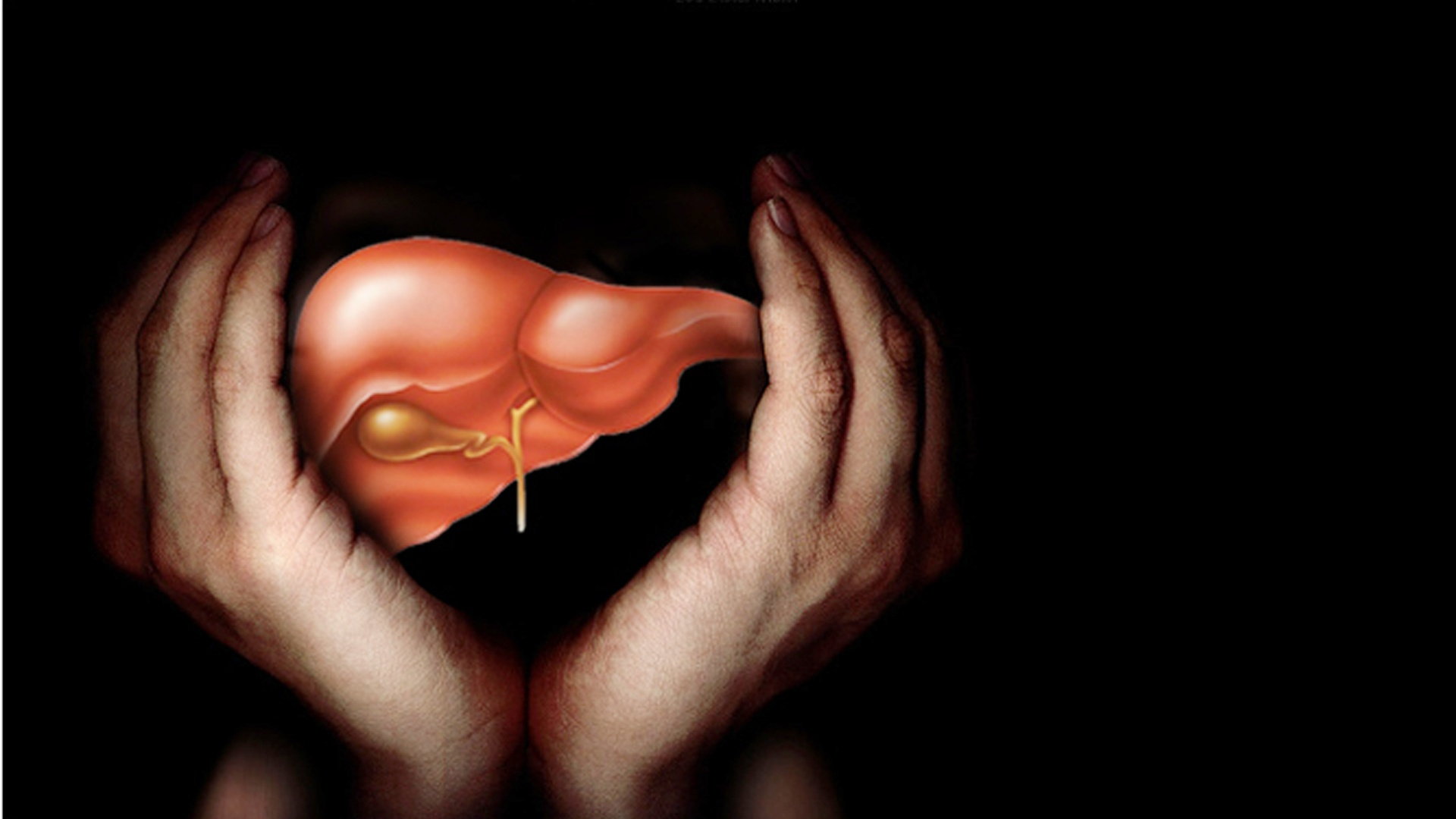
Think of your colon as your body’s internal purification system. Every cell and tissue — including your liver, the body’s primary detoxification organ — depends on a well-functioning colon to help eliminate harmful toxins. When your colon is working optimally, it not only expels waste but also absorbs essential nutrients such as water, electrolytes, and vitamins from digested food, redistributing them for your body to use. In short, your colon plays a critical role in deciding what to eliminate and what to retain.
It may surprise you to learn that the average person carries between 2–7 kg of old faecal matter in their colon, even with a daily bowel movement. This accumulation of waste — sometimes referred to as mucoid plaque — can coat the walls of the colon and create an environment where parasites, harmful bacteria, yeast, and viruses may thrive. When the colon becomes blocked or sluggish, the body’s ability to detoxify effectively is significantly compromised. Over time, a build-up of toxins may contribute to a decline in overall health and wellbeing.
Colon cleansing may help to address this. By gently cleaning and purifying the colon, we support the body’s natural ability to redistribute vital nutrients and hormones. When these pathways become blocked, a process known as autointoxication can occur, which may be associated with a range of symptoms including hormonal imbalance, fatigue, weight gain, constipation, poor sleep, brain fog, and candida overgrowth.
So, when comparing colema vs. enema, which is the better option for cleansing the large intestine? Let’s take a closer look.
Colema vs. Enema: What Is the Difference?
A colema is a more thorough and comprehensive colon cleanse, using between 14–18 litres of warm, purified water — often combined with beneficial additives such as coffee, garlic, spirulina, or vitamin C — to support a range of health goals. Because the water flows continuously, there is no need to retain it; instead, it flushes gently through the large intestine, reaching deeper into the colon than a standard enema can. The treatment is carried out on a specially designed colema board, making the process safe, hygienic, and effective.
An enema, by contrast, uses just 1–2 litres of water, sometimes with similar additives, which is introduced into the colon and held for approximately 20 minutes before being released. While this is a recognised and effective method of colon cleansing, it is generally considered less thorough than a colema, as the smaller volume of water is unable to reach as far into the large intestine.
At Santosa, we recommend incorporating a colema cleanse into a dedicated detox programme at least once a year, to help reset your health and support the body’s natural detoxification pathways. There is no better place to do so than our beautiful retreat in Phuket, surrounded by lush tropical jungle and stunning sapphire ocean views. Book your stay today!